
Free live workshop · August 2What can a high-school student actually build with AI now?Reserve a seat
AI INNOVATORS · FALL 2026

Learn modern AI by building a real product or research project.

A ten-week, mentor-led program for high-school students who are excited about AI and ready to follow through. Choose Physical AI or AI for Science, build in a pod of no more than five, and finish work you will be proud to share. No prior programming course is required; the included Launchpad prepares motivated beginners.

Apply for Fall 2026 SMALL BUILD GROUPS · 2 TRACKS
ORIENTATION SEPTEMBER 12, 2026
Lucid AI Innovators project workspace
LIVE DATESSep 12 – Nov 22
WEEKLY COMMITMENT3 live + 1–2 build hours
BUILD GROUPNo more than 5 students
TOP-DOWN AI EDUCATION

Build first. Learn the fundamentals by improving what you built.

Students begin with a working application, then learn the model concepts, code, data, math, and research methods needed to test and improve it. This keeps the curriculum current without sacrificing fundamentals.

THE LUCID LEARNING ORDER / WEEKS 1–2

Build with today’s models

Start at the top: use language, vision, and multimodal models to make a small system that can see, reason, retrieve information, or call a tool. Students learn notebooks, APIs, inputs, outputs, and basic debugging while producing something visible in the first two weeks.

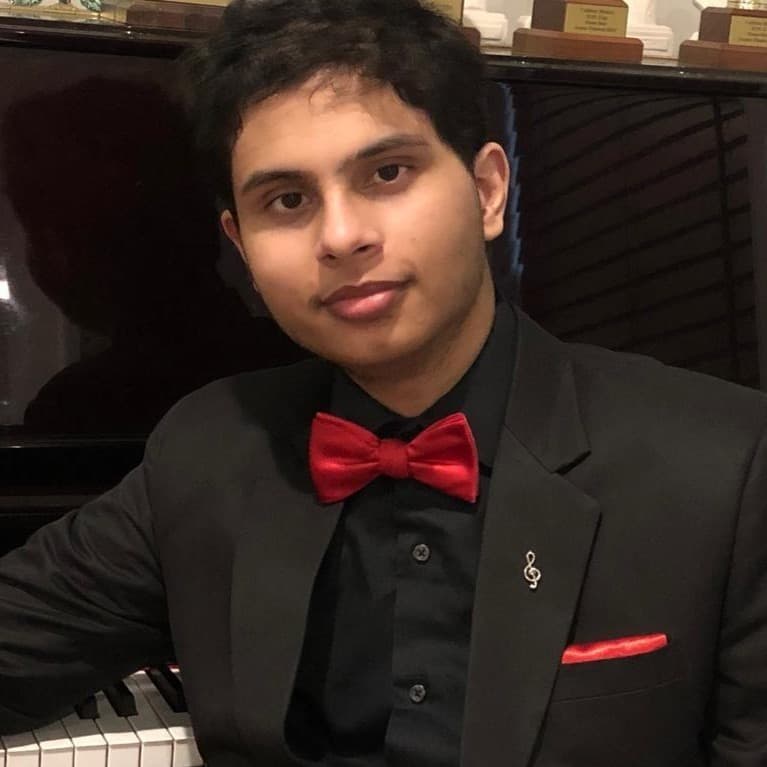
Parth Kocheta
TAUGHT BYParth KochetaAmazon Robotics · Carnegie Mellon AirLab · 2× Sanofi ML
AmazonCarnegie Mellon UniversitySanofi
Choose your track
Parth Kocheta
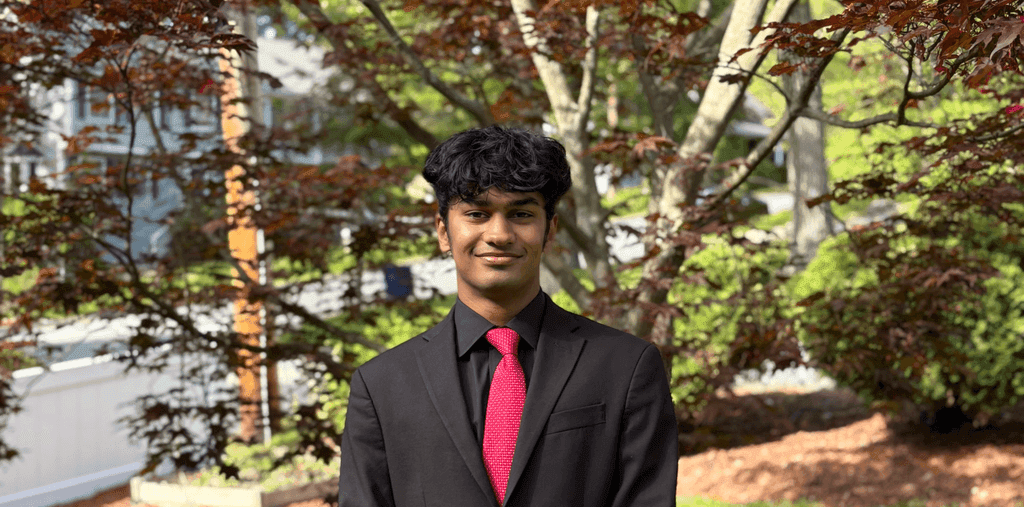
Kaden Cassidy
Vaibhav Mishra
Pranay Kocheta
THE PEOPLE TEACHING THE WORK

Amazon Robotics, Carnegie Mellon AirLab, Sanofi, Johns Hopkins APL, FIRST, and peer-reviewed research.

CHOOSE YOUR FALL TRACK

Two tracks, built on one shared AI foundation.

Weeks 1–5 teach the same AI and research core. In weeks 6–10, students apply it through Physical AI or AI for Science.

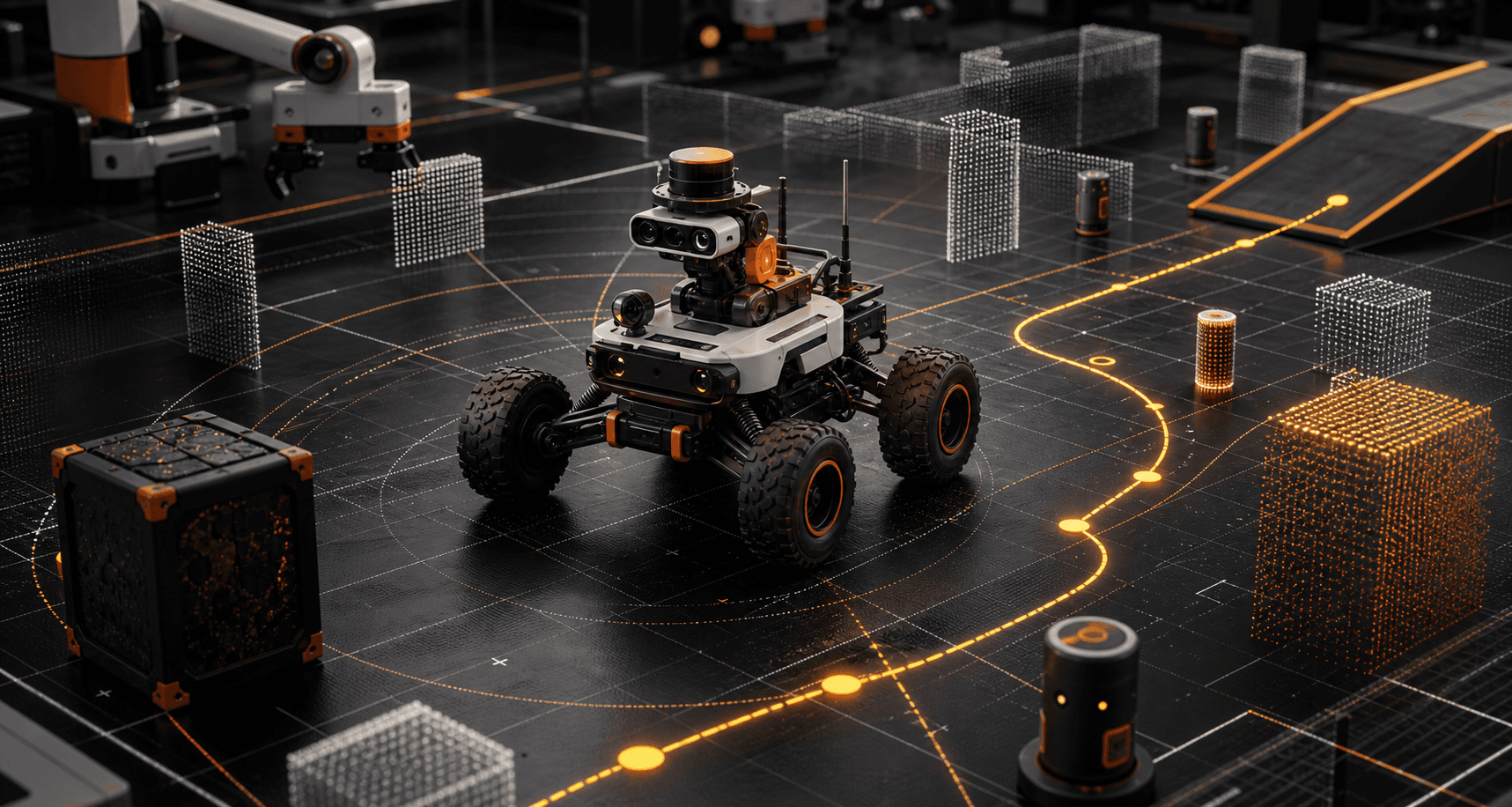
Autonomous rover navigating a robotics test arena with perception overlays
01
01 / Kaden Cassidy

Physical AI & Robotics

Build AI that can see an environment, decide what to do, and control a robot or simulation when conditions change.

A possible fall build

A rover, arm, drone, or simulated agent handed a mission in plain language.

  • Plans a route from a plain-language goal
  • Acts in an environment it hasn't seen
  • Recovers when the first plan fails
What you practice
  • Perception — frames into usable state
  • Planning — the next action under limits
  • Control — closing the loop on the plan
  • Evaluation — proving it still holds
Tools you work in
  • Python, PyTorch, OpenCV
  • ROS 2 for the robot stack
  • MuJoCo or Isaac Sim for physics
  • Hosted vision-language models

Simulation-first, so nobody is blocked on hardware. Groups whose build calls for it move onto a small rover, arm, or drone platform.

Who this track fits
  • Robots, drones, self-driving cars
  • Cameras, computer vision, controls
  • Game and simulation agents

Interest is the requirement—the included Launchpad brings up the programming.

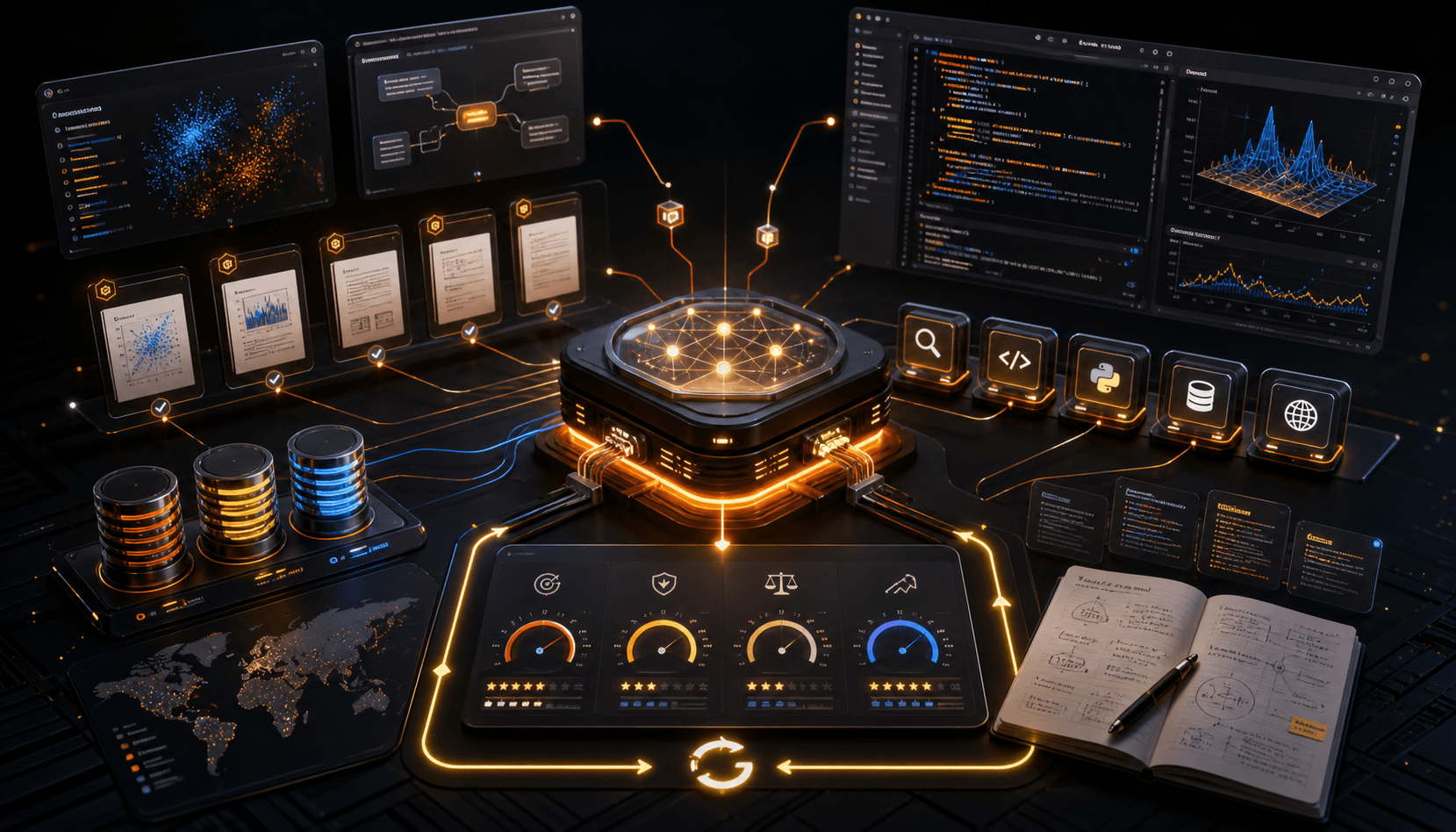
AI agent research workstation with evidence panels, tool calls, and evaluation charts
02
02 / Parth Kocheta

AI for Science

Build AI that reads evidence, analyzes data, uses scientific tools, and investigates a focused question in science or engineering.

A possible fall build

A research workflow aimed at one focused question in science or engineering.

  • Pulls evidence from literature and data
  • Calls the tools the question needs
  • Reruns end to end, so it is repeatable
What you practice
  • Evidence — reading and citing real work
  • Data — cleaning it before trusting it
  • Agents — giving a model real tools
  • Experiment design — trying to disprove
  • Evaluation — scoring each new version
Tools you work in
  • Python, PyTorch, Jupyter, pandas
  • Tool-calling agents, MCP-style servers
  • Retrieval over arXiv and PubMed
  • An evaluation harness you write

Improvements get measured rather than assumed—every change is scored before it stays in.

Who this track fits
  • Biology, medicine, climate, materials
  • Data-heavy or math-heavy questions
  • Software tools others have to trust

Interest is the requirement—the included Launchpad brings up the programming.

GROUPS CAPPED AT FIVE

Applicants indicate a preference. Final placement is based on interests, starting point, and fit with the project direction.

Apply for track placement
THE TEN-WEEK CURRICULUM

What students learn, build, and finish each week.

The first five weeks give both tracks the same modern AI and research foundation. The second half turns that foundation into a Physical AI or AI for Science capstone.

Current toolkit: Colab or Jupyter, GitHub, scikit-learn, Hugging Face, frontier multimodal APIs, and track-specific simulators or datasets. Exact tools are reviewed before the cohort so students work with what is current—not a frozen syllabus.

WHAT STUDENTS RELEASE

A working project—and a clear record of how it was built.

Every student finishes a product or research project with a clear personal contribution. A research paper is developed when the work genuinely warrants one, not assigned as a universal format.

  • A complete AI project connected to a real scientific or engineering question
  • A clear record of what the student built, tested, learned, and improved
  • Code, results, and a concise project page they can share with others
  • A final presentation for parents, mentors, and invited technical reviewers
  • A specialist recommendation for competitions, internships, or deeper 1:1 work
PROGRAM FORMAT

What the ten weeks include.

Students receive the technical setup, live instruction, project resources, and close feedback needed to carry one ambitious build from idea to final presentation.

BEFORE WEEK 1Launchpad included

A practical introduction to notebooks, APIs, AI-assisted coding, and GitHub for students who are new to programming.

EVERY WEEK3 live hours

Two sessions each week: one shared technical lesson and one small track lab.

BETWEEN SESSIONS1–2 project hours

A focused build, test, or research task that moves the capstone forward.

TRACK PODNo more than 5 students

Close feedback from the named technical lead for the student’s track.

TECHNICAL RESOURCESApproved project credits

The model, API, or cloud-compute credits required for the approved project.

PROJECT FEEDBACKWeekly demos and written notes

Students show progress every week and use office hours when they hit a blocker.

FINAL RELEASEA working project and public package

Code, measured results, a project page or video, and a live final showcase.

Fall 2026Sep 12–Nov 22 · live online · small mentor-led groups
THE STANDARD
FULL STUDENT PROJECT PRESENTATION

Parents should be able to inspect the work—not just see a certificate.

Watch a student walk through a medical-AI problem, the model they built, how they evaluated it, and what the result means.

See verified student outcomes
Full project presentation

Brain tumor segmentation with CNNs

NOW ENROLLING · AI INNOVATORS

Ten weeks. One project built, tested, and ready to show.

September 12 – November 22, 2026 · live online · small build groups

Apply to the fall cohort
AI InnovatorsFall 2026 · applications openApply